


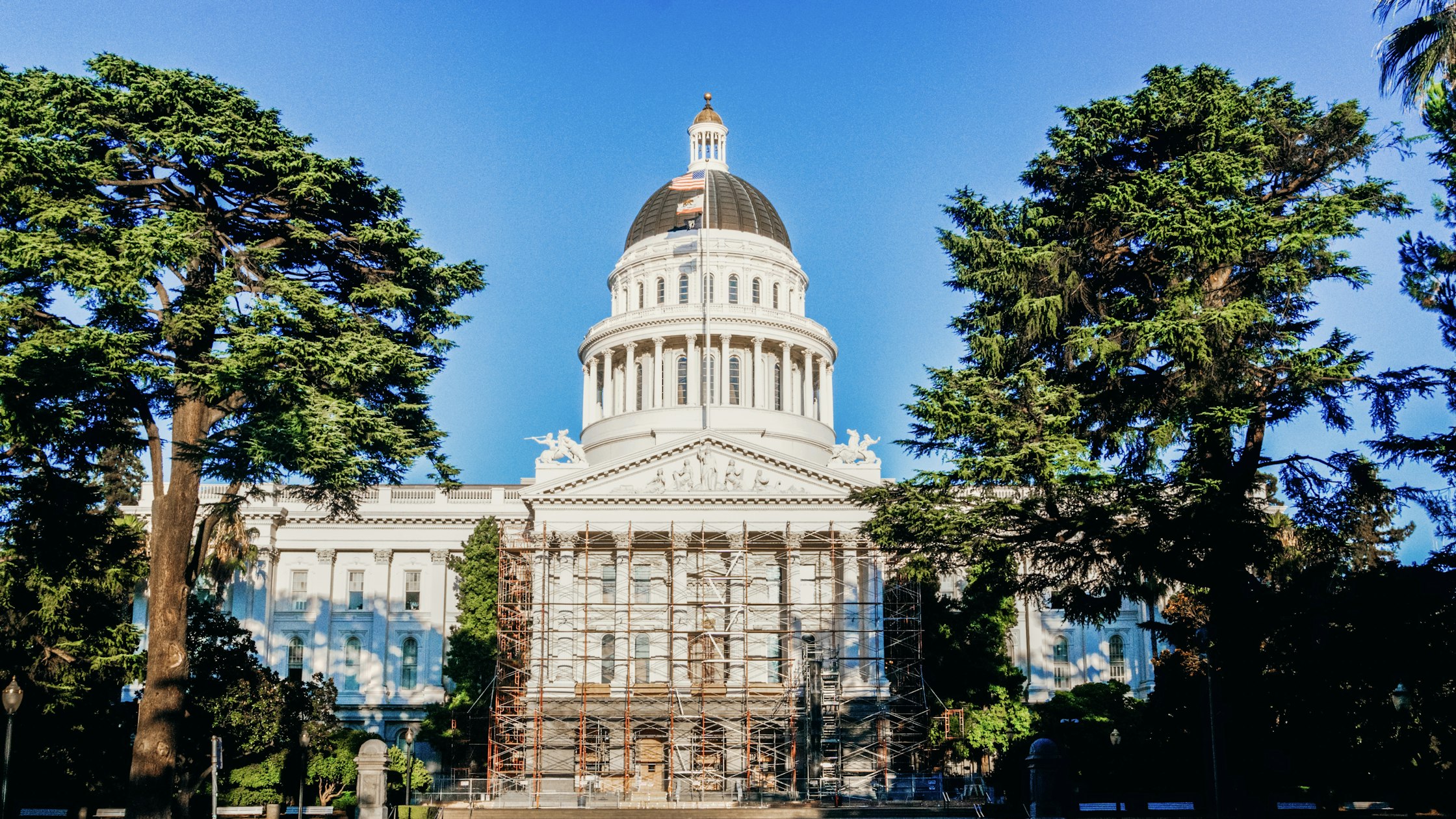
If you're in beauty school in California, or about to start, you may have seen "SB 1363" and the word "sunset" in the same headline and wondered whether the state board that licenses you is going away. It isn't. Governor Gavin Newsom signed SB 1363 on September 14, 2026, and it keeps the California Board of Barbering and Cosmetology running. Here's what SB 1363 does, what it leaves alone, and what it means if you're a student, an apprentice, or a future salon owner.
The short answer
SB 1363, by Senator Aisha Wahab (D-Hayward), is the sunset bill for the Board of Barbering and Cosmetology. It is now Chapter 233, Statutes of 2026. Without it, the law that creates the Board was set to expire on January 1, 2027. The bill extends the Board, and most of the rest of it rewrites the rules for apprenticeship programs: who can sponsor one, what apprentices can be charged, and how they have to be paid.
For students at a Board-approved beauty school, the bill does not change training hours or the licensing exam. The one change to watch: cosmetology license applicants will need to submit official transcripts as proof they finished their training.
What a "sunset" bill is
Most California licensing boards have a built-in expiration date. Before that date arrives, the Legislature reviews how the board is doing and decides whether to keep it and what to fix. For the Board of Barbering and Cosmetology, that review included a joint oversight hearing of the Senate and Assembly business and professions committees on March 10, 2026. SB 1363 is the bill that came out of it.
The stakes are big. The Board licenses six professions (cosmetologists, barbers, estheticians, manicurists, electrologists, and hairstylists), has more than 550,000 licensees, and approves the schools that train them. Its board has 13 members: seven public members and six from the professions. The Board voted 7–0 in May 2026 to support SB 1363. The bill passed the Senate 33–0 in May and the Assembly 76–0 in August, and the Senate approved the final version 40–0 on August 27.
What SB 1363 changes
The Board keeps running
Before SB 1363, Business and Professions Code §7303, the section that creates the Board, was set to be repealed on January 1, 2027. SB 1363 moves that sunset date to January 1, 2031. Licensing, exams, and school oversight continue without a gap.
Apprenticeships get new rules
Most of the bill is about apprenticeships, the earn-while-you-learn route to a license in cosmetology, barbering, or electrology. Under current law, an apprentice completes at least 3,200 hours of on-the-job training over two years, plus at least 220 hours of related classroom instruction. Here's how the Board's staff summarized the bill's apprenticeship changes in August 2026:
- Two approvals for sponsors. A program sponsor must be approved by the state Division of Apprenticeship Standards first, then by the Board, with an application fee and a renewal every two years.
- Limits on what apprentices pay. Sponsors can't charge apprentices anything beyond the actual cost of books and minimum equipment, and can't enter into financial contracts with them.
- Pay protections. Apprentices can't be paid by commission, required to rent a station, or treated as independent contractors. Sponsors must verify that the salon where training happens carries workers' compensation insurance.
- No lending out an approval. A sponsor can't franchise, sponsor out, or loan its approval to anyone else. Apprentices enroll directly with the approved sponsor.
- Enforcement. Breaking the apprenticeship rules becomes grounds for discipline and fines against trainers, salon owners, and sponsors, and the Board can withdraw, suspend, or revoke a trainer's or training salon's approval.
Why apprenticeships were the focus
The Board's own findings drove this. When Board staff interviewed 115 apprentices in March 2025, most reported paying between $2,500 and $15,000 to take part in their programs, even though apprentices are supposed to earn a wage while they train, not pay tuition. Our post on cosmetology apprenticeship vs. beauty school walks through the rest of what the Board found, including exam results.
Transcripts for cosmetology applicants
The bill requires cosmetology license applicants to submit official transcripts as evidence that they completed Board-approved training. If you're in school now, keep your enrollment and hours records in order and expect your school to send an official transcript when you apply.
Business ownership, written into law
The bill also authorizes partnerships and LLCs to hold salon (establishment) licenses and confirms that a salon's owner can serve as its licensee in charge. Board staff noted that many of the bill's provisions, these two included, are already in place in practice. SB 1363 puts them in the statute.
What SB 1363 doesn't change for beauty school students
If you're enrolled in a Board-approved beauty school or comparing schools, SB 1363 doesn't change required training hours, the written exam, or the languages it's offered in.
- Training hours: 1,000 for cosmetology, 600 for esthetician, and 400 for manicurist.
- The exam is written only. California dropped the practical exam on January 1, 2022. The written exam is offered in English, Spanish, Vietnamese, Korean, and Simplified Chinese.
- The April 2026 exam update is a separate change. New content outlines from the Board's exam vendor, PSI, took effect April 1, 2026, months before SB 1363 was signed. Our guide to passing the cosmetology exam covers what's on the new version.
What happens next
A non-urgency California law generally takes effect on January 1 of the following year, so expect SB 1363's changes to start January 1, 2027, unless the final text sets a later date for a specific provision. As of August 2026, the Board had put its pending apprenticeship and health-and-safety regulations on hold until sunset review was settled. Those rulemakings are the next thing to watch. The Board's next meeting is November 16, 2026, in San Diego.
Who this affects
- Beauty school students: Your hours and your exam stay the same, and licensing continues without a gap. Cosmetology applicants should plan on submitting an official transcript.
- People weighing an apprenticeship: New protections on fees and pay. Still read any program's agreement closely, and compare its total cost and exam results with a school's before you sign.
- Future salon owners: Partnerships and LLCs can hold salon licenses, and an owner can be the licensee in charge.
Questions about your path to a license?
Beyond 21st Century Beauty Academy has been training cosmetologists, estheticians, and nail techs since 1997. If you're deciding between school and an apprenticeship, or want to know what the new exam looks like, come talk to us. Schedule a tour, call (562) 404-6193, or stop by 13640 Imperial Highway, Suites 6-8, Santa Fe Springs. You can also try our free cosmetology state board practice exam, built on the April 2026 content outline.
Related reading
- What Is the California Board of Barbering and Cosmetology?
- Cosmetology Apprenticeship vs. Beauty School in California
- The California State Board Beauty Exam: What to Expect
Sources: SB 1363 bill text and history (Chapter 233, Statutes of 2026); Office of the Governor, September 14, 2026 signing release; Board of Barbering and Cosmetology, August 17, 2026 meeting materials; Board minutes, May 18, 2026; Senate and Assembly joint sunset review background paper, March 10, 2026; Board of Barbering and Cosmetology 2026 sunset review report; Barbering and Cosmetology Act and Regulations.


